

Wholesale soccer jerseys come in all shapes, sizes, and quality levels, making supplier selection far from straightforward. Without a clear understanding of quality control standards, buyers risk inconsistent products, surprise fees, or even unhappy end customers — all of which can severely impact profitability.
Wholesale soccer jersey quality begins with verifying materials, designs, and production consistency. Buyers can evaluate quality through fabric grades, stitching precision, and supplier testing protocols[^1], while balancing these against customization flexibility and delivery reliability.
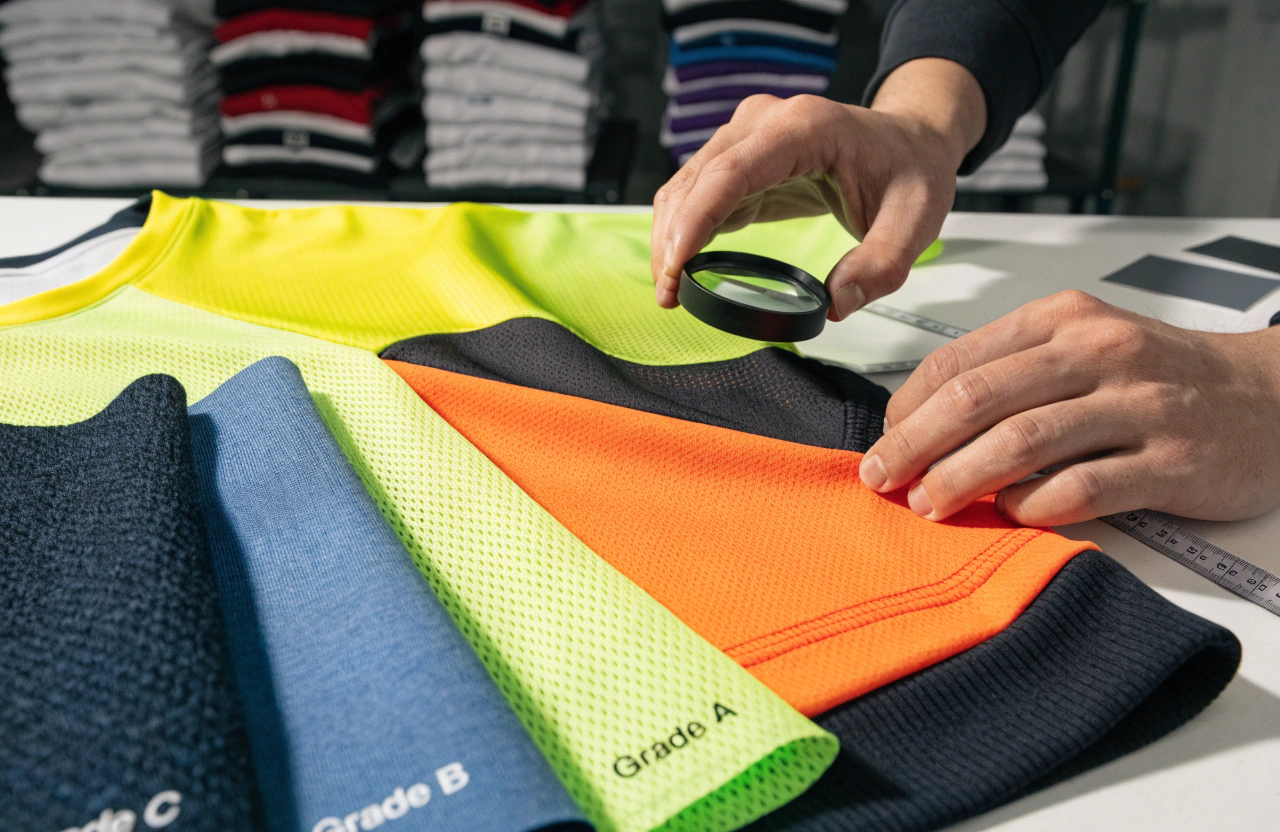
Navigating wholesale procurement is tricky, but making informed decisions about the materials, design elements, and supplier reliability can minimize risk. Below, you’ll learn how to evaluate the critical elements of soccer jersey quality.
What is the best material for a soccer jersey?
Material quality can make or break a soccer jersey’s suitability for players or fans. Cheap fabrics compromise durability and comfort, while high-performance materials deliver the breathability and elasticity needed for gameplay.
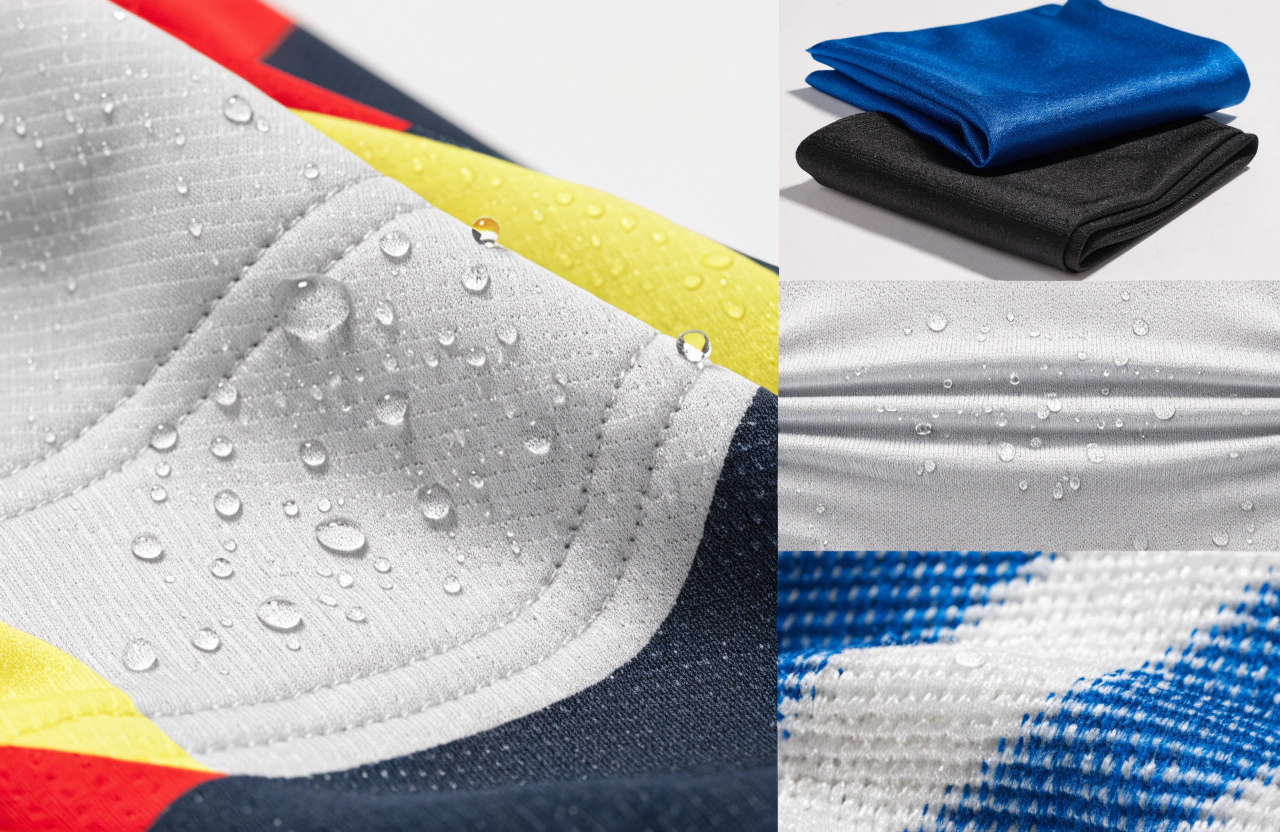
The best material for soccer jerseys combines lightweight fabric, moisture-wicking properties, and durability. Common options include polyester blends like cationic polyester or interlock knits, which offer both performance and affordability.
Diving Deeper: Fabric Variations
When sourcing soccer jerseys, understanding material differences allows buyers to evaluate quality more effectively:
- Cationic polyester: Frequently used for high-performance jerseys, this material handles heavy sweat while retaining vibrant dye sublimation printing.
- Pinhole mesh (150 GSM): An excellent choice for amateur leagues, this fabric strikes the balance between affordability, airflow, and adequate durability.
- Interlock knits (75/72 weave): Slightly heavier and more robust, these tend to be used in professional-grade player kits.
Durability matters, but consider regional climate and customer preferences. For humid climates, opt for mesh-heavy designs that prioritize airflow. Conversely, colder regions may favor heavier interlock jerseys.
The material choice impacts cost as well, with high-performance fabrics commanding a premium. To manage budgets, think about where the end product will sell — fan replica jerseys might benefit from more economical options than professional-grade kits.
What makes a good football jersey design?
Design isn’t just about aesthetics; it dictates wearability, branding potential, and customer satisfaction. Buyers must evaluate not only the graphic elements but also the functional aspects of jersey design.
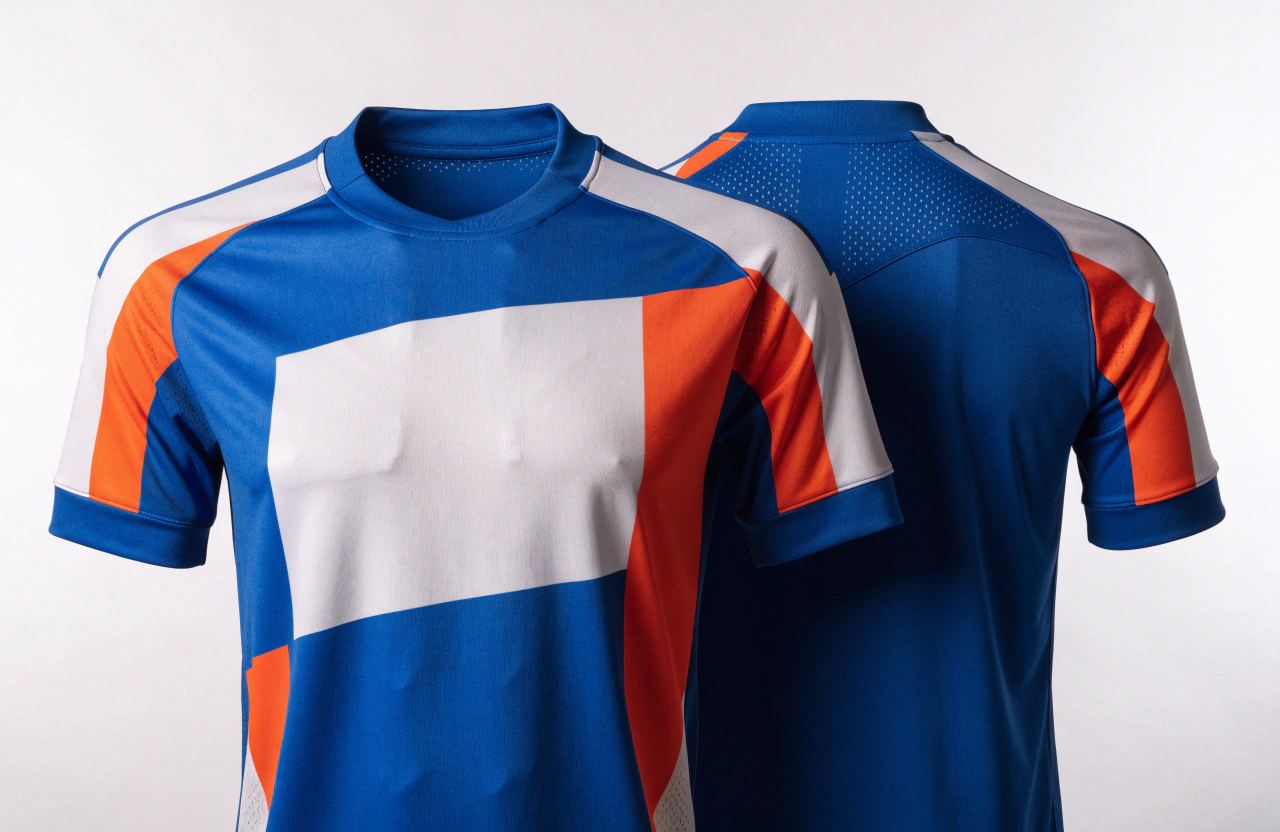
A good football jersey design balances eye-catching aesthetics, optimal fit, and functional features like reinforced stitching and localized ventilation panels. Design quality should align with branding goals and comfort expectations.
Diving Deeper: Key Design Elements
When analyzing football jerseys, look for:
- Graphical customization options: Precision in sublimation printing ensures colors remain vivid, logos stay sharp, and patterns maintain alignment.
- Fit and cut: Athletic fits cater to competitive players, whereas casual loose cuts attract younger fans or retail buyers looking for comfort-focused styles.
- Functional stitching: Reinforcement at high-stress areas like shoulders and seams ensures longevity for player uniforms.
- Ventilation features: Mesh panels strategically placed on high-sweat zones (underarms, back) maximize comfort during play or wear.
Extra design flexibility matters if your business focuses on team orders, since branding opportunities multiply with customizable features like logos, names, or numbers. However, keep MOQ thresholds in mind; extensive design adjustments typically require larger order volumes.
What are the different types of quality football jerseys?
Soccer jerseys cater to different market segments, each with unique expectations and budgets. Knowing the distinction between types is critical for wholesale buyers.
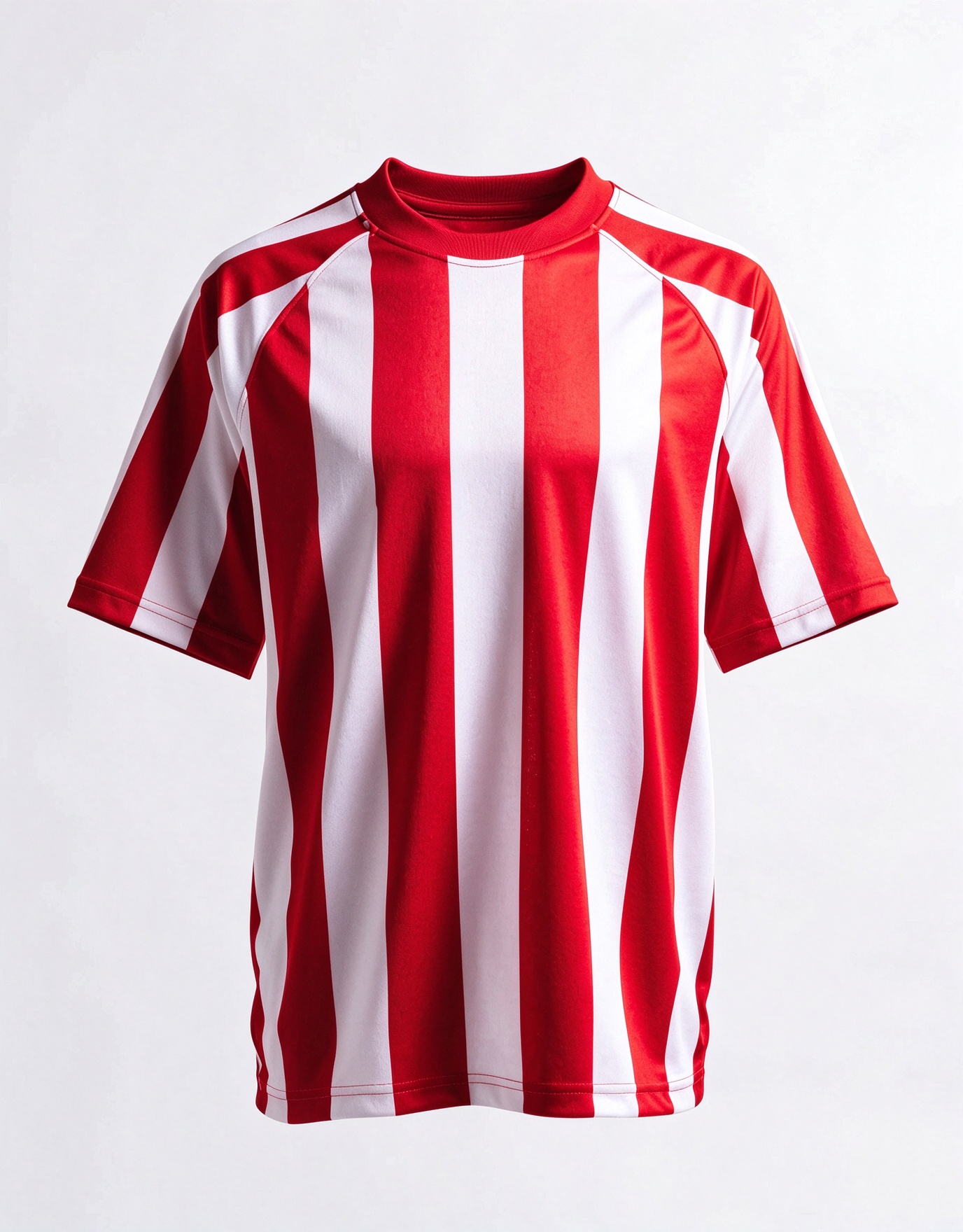
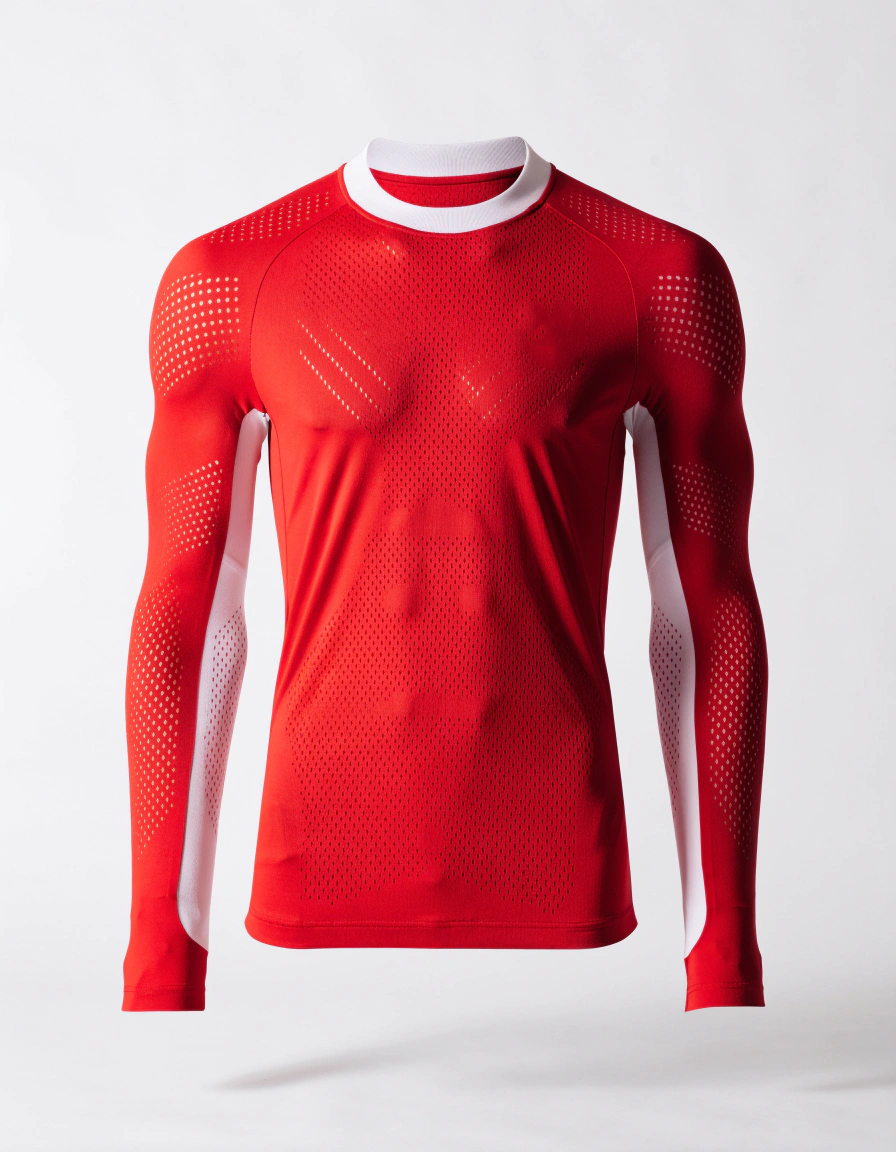
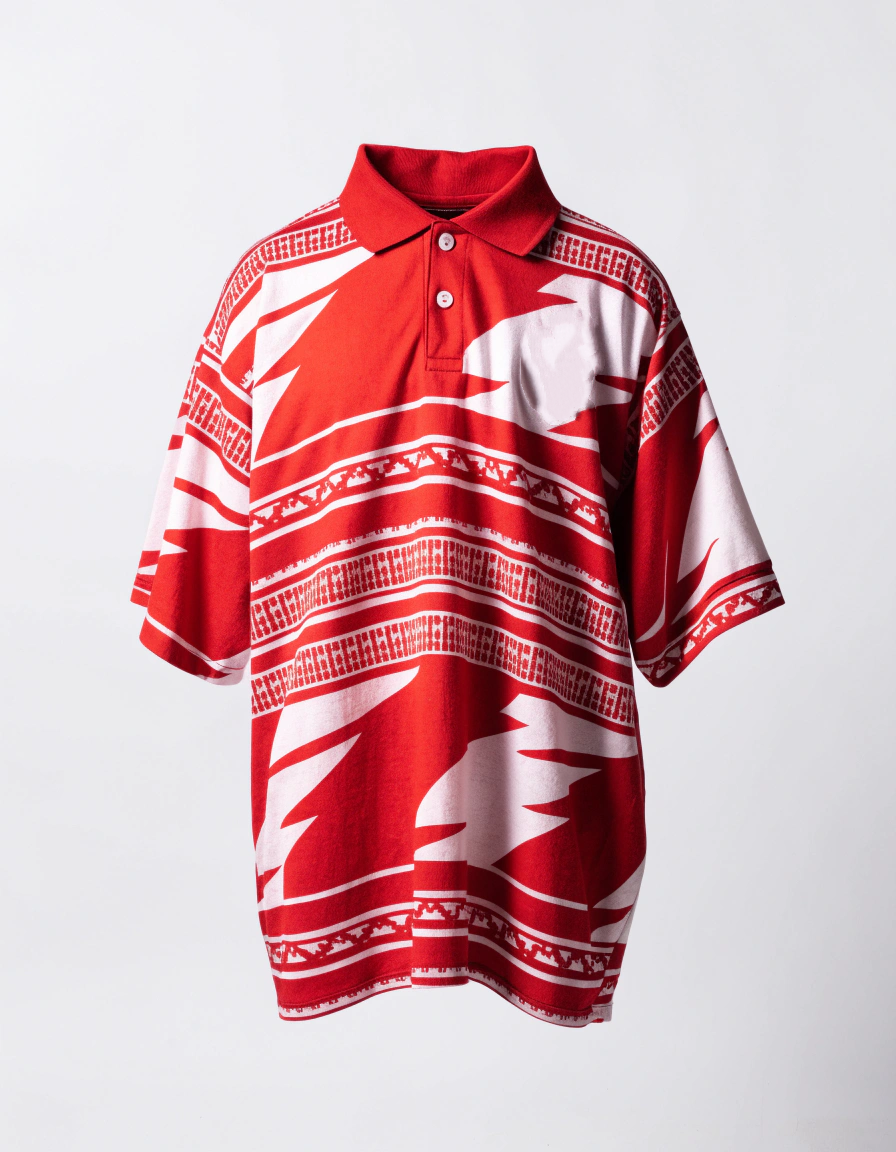
Football jerseys can generally be divided into three categories: fan editions (basic replicas), player editions (professional-grade kits), and retro editions (throwback jerseys). Each has unique material demands and QC standards.
Diving Deeper: Common Jersey Types
Here’s how these soccer jersey types compare:
| Jersey Type | Material | Target Market | Customization Potential |
|---|---|---|---|
| Fan Edition | Mid-grade polyester | Casual fans, retail shops | Limited (logos, names) |
| Player Edition | Advanced performance | Pro leagues, academies | High (full custom kits) |
| Retro Edition | Lightweight or heavy | Nostalgic collectors, boutique | Moderate (historical designs) |
Buying fan editions typically involves ready-stock wholesale options, while player editions require deeper supplier customization. Retro jerseys, on the other hand, demand attention to detail in embroidery or unique dye patterns, making the production process more niche and premium.
How to tell a high quality shirt?
Evaluating wholesale soccer jerseys on sight can feel daunting, especially with limited quality assurance training. But focusing on specific attributes can reveal a jersey’s true craftsmanship.
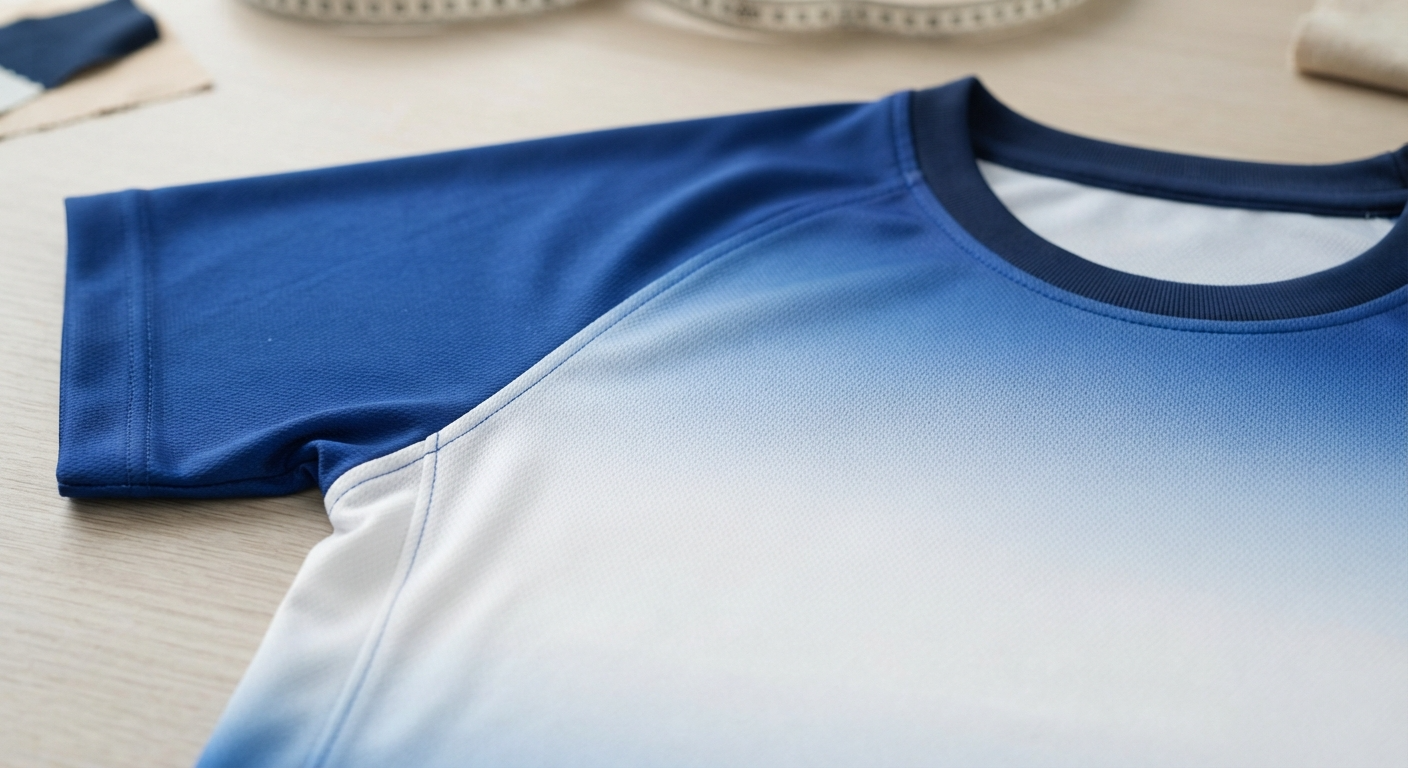
A high-quality soccer shirt will feature pristine sublimation printing, uniform stitching, durable fabric, and balanced gradient colors. Buyers can test quality by checking fabric thickness, elasticity, and seam alignment.
Diving Deeper: Inspection Checklist
Use this criteria during initial inspections:
- Fabric texture: Run your fingers over the fabric; jerseys should feel smooth, yet slightly elastic.
- Print precision: Patterns must align cleanly, avoiding smudges or overlaps.
- Stitch alignment: Inspect the inside and edges of seams for uniformity and reinforcement stitches.
- Color vibrancy: Ensure dyed jerseys maintain rich and consistent gradients under direct light.
- Performance tests: Stretch the sample slightly — good-quality fabric should recover form instantly without sagging.
When working with suppliers, ask for post-production control reports to minimize risks. These could include measurements for seam strength testing or certifications verifying dye-sublimation durability[^2] under repeated washes.
Frequently Asked Questions
What does GSM mean in jersey fabric?
GSM stands for grams per square meter[^3] and indicates fabric density. Higher GSM denotes thicker fabric. Common soccer jersey ranges include 150 GSM for lightweight mesh and 220 GSM for heavier interlock knits.
Can I customize fan jerseys with low MOQs?
Yes, some suppliers (like SoccerJerseyWholesale) allow for logo or basic name printing on fan jerseys with just 15 pieces MOQ. Full customization typically requires higher volumes and added setup costs.
What certifications should I ask suppliers for?
Look for OEKO-TEX or SGS certificates[^4], which verify fabric safety and durability testing. Additionally, clarify whether the supplier conducts final inspections and provides QC documentation.
Are DDP terms included in wholesale quotes?
Not always. Confirm with your supplier whether DDP (Delivered Duty Paid[^5]) logistics are part of the price or if additional customs duties will apply.
How long do sublimation prints last?
Quality sublimation prints can last years without fading, provided the jersey uses high-grade cationic polyester and accurate dye procedures. Always check supplier assurances to minimize risk.
Conclusion
Understanding quality control standards for wholesale soccer jerseys is critical when evaluating suppliers. Material choices, designs, and clear post-production processes ensure products meet the expectations of your target market. Additionally, balancing MOQ flexibility against supplier reliability will safeguard your investment and keep logistics smooth.
Ready to source consistent, high-quality soccer jerseys for your business? Contact SoccerJerseyWholesale — we specialize in both ready-stock and custom teamwear solutions that align with global quality standards while simplifying procurement!
[^1]: "Fabric inspection", https://en.wikipedia.org/wiki/Fabric_inspection. Educational resources on textile manufacturing confirm that fabric grades, stitching precision, and supplier testing protocols are critical for assessing product quality. These methods are widely recommended in the apparel industry. Evidence role: general_support; source type: education. Supports: Fabric grades, stitching precision, and supplier testing protocols are valid methods for evaluating product quality..
[^2]: "Dye-sublimation printing", https://en.wikipedia.org/wiki/Dye-sublimation_printing. Research on textile quality control highlights the importance of seam strength testing and dye-sublimation durability certifications in ensuring product reliability. Evidence role: mechanism; source type: research. Supports: Seam strength testing and dye-sublimation durability certifications are part of post-production quality control in apparel manufacturing.. Scope note: The evidence may not specifically address soccer jerseys but applies to general apparel manufacturing.
[^3]: "Understanding Fabric Weights", https://corefabricstore.com/blogs/tips-and-resources/fabric-weights-blog?srsltid=AU7gw4WiY7vLU1bpl4nsU5eWs1OAvP7tkcFYTVv9SfvcEYetIvrPJPdc. Encyclopedic sources define GSM as grams per square meter, a standard unit for measuring fabric density. Evidence role: definition; source type: encyclopedia. Supports: GSM stands for grams per square meter and is a measure of fabric density..
[^4]: "OEKO-TEX® STANDARD 100", https://www.oeko-tex.com/en/our-standards/oeko-tex-standard-100/. Institutional sources confirm that OEKO-TEX and SGS certifications are widely used to ensure fabric safety and durability in the textile industry. Evidence role: general_support; source type: institution. Supports: OEKO-TEX and SGS certifications are recognized for verifying fabric safety and durability..
[^5]: "What Is DDP Shipping? A Guide to Delivered Duty Paid", https://www.dhl.com/us-en/home/ship/ddp-shipping.html. Encyclopedic sources define Delivered Duty Paid (DDP) as a shipping term where the seller is responsible for all costs, including customs duties, until the goods reach the buyer. Evidence role: definition; source type: encyclopedia. Supports: Delivered Duty Paid (DDP) refers to a logistics term where the seller assumes responsibility for customs duties..
发表回复